
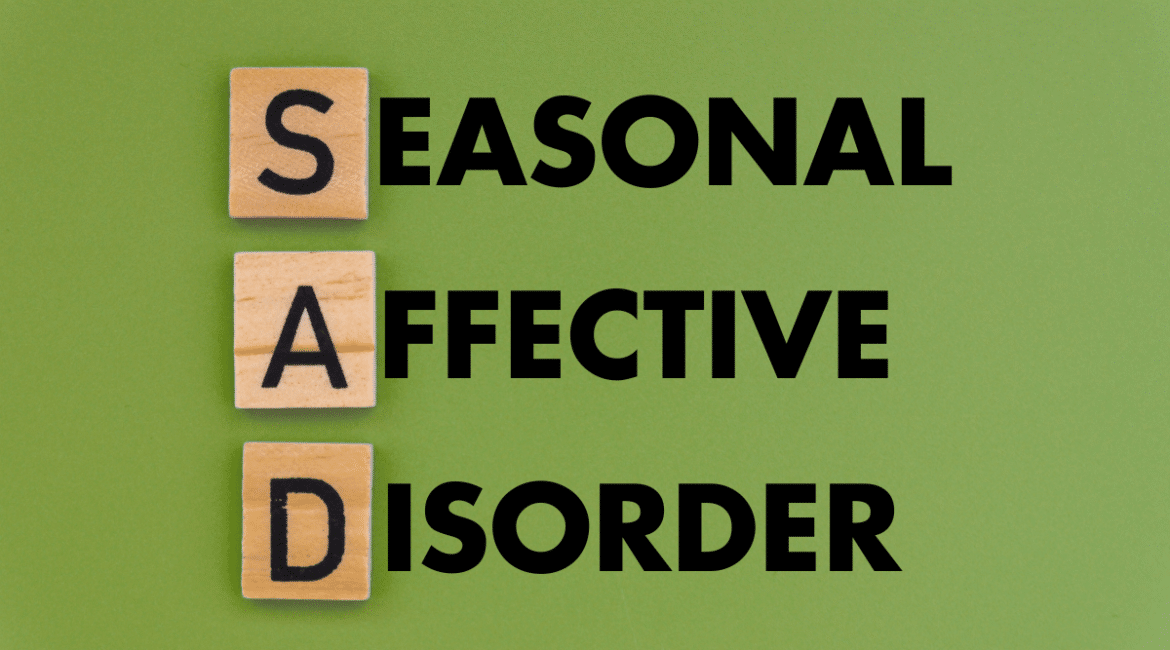
Feeling a little sad and you’re not sure why? Seasonal Affective Disorder may be to blame.
Seasonal Affective Disorder, or SAD, typically happens during the winter months when the temperatures drop and we experience less daylight. That change in daylight hours can disrupt the brain’s chemical balance and daily rhythms.
How Do I Know If I’m Experiencing Seasonal Affective Disorder?
Common symptoms include:
- Low mood
- Irritable
- Fatigue
- Loss of interest in hobbies or activities
- Sleep/appetite changes
Each of these symptoms takes a toll on your mental health and can leave you feeling down or extra anxious. Even cognitive skills such as concentration, memory, or decision making may take a hit.
What Can I Do to Feel Better?
Of course we can’t control the seasons or the weather, but there are a few things you can do to reduce the hold Seasonal Affective Disorder has on you:
- Get into a routine: even when you don’t feel like it, do your best to wake up and go to bed at the same time daily, eat meals at regular times and structure your day.
- Maintain connections: this could be meeting a friend for coffee, calling up a friend you haven’t spoken to in a while, or even writing a letter to send.
- Get plenty of Vitamin D: Vitamin D boosts serotonin levels, a chemical in your body that is needed to help regulate your mood, sleep, and appetite. Sunshine helps your body produce this chemical, and when there’s less sunshine, your body may need some assistance. Talk to your primary care physician about taking a supplement. Additionally, on days when the sun is out, go outside, even for a little bit.
- Consider light therapy: you may want to invest in a special light therapy lamp or box. These provide a brighter light that imitates natural daylight. Just sit it next to you while you’re working or get one with a timer that will mimic the sunrise and put it in your bedroom.
- Make sure you’re getting exercise: even if it’s simply doing laps in your office building or marching in place. A little exercise can go a long way in boosting your mood.
- Consider medication: if you’re feeling exceptionally irritable or sad, you may want to talk with your medical provider about trying an antidepressant to offset the effects of SAD.
- Talk with a therapist: meeting with a mental health professional, like the providers here at Rural Psychiatry Associates, can help you talk through the feelings you’re experiencing and figure out a treatment plan that will work best for you.
Is Seasonal Affective Disorder Really Just a Winter Problem?
While SAD is primarily thought to be most impactful during the winter months, there are also Spring and Summer variations of SAD with similar symptoms: trouble sleeping, poor appetite, agitation, anxiety, irritability.
With these seasonal variations, you may need a reverse light therapy like room darkening shades so you can get a better night’s sleep. You may also need to invest in a few extra fans for your bedroom, giving you a cool, dark room for adequate sleep.
No matter which SAD seems to impact you, it’s important to reach out to a doctor or mental health professional if you experience any of the symptoms for days at a time.
Ready to make an appointment? Our providers can see you in a matter of days, not weeks. Get started here.