

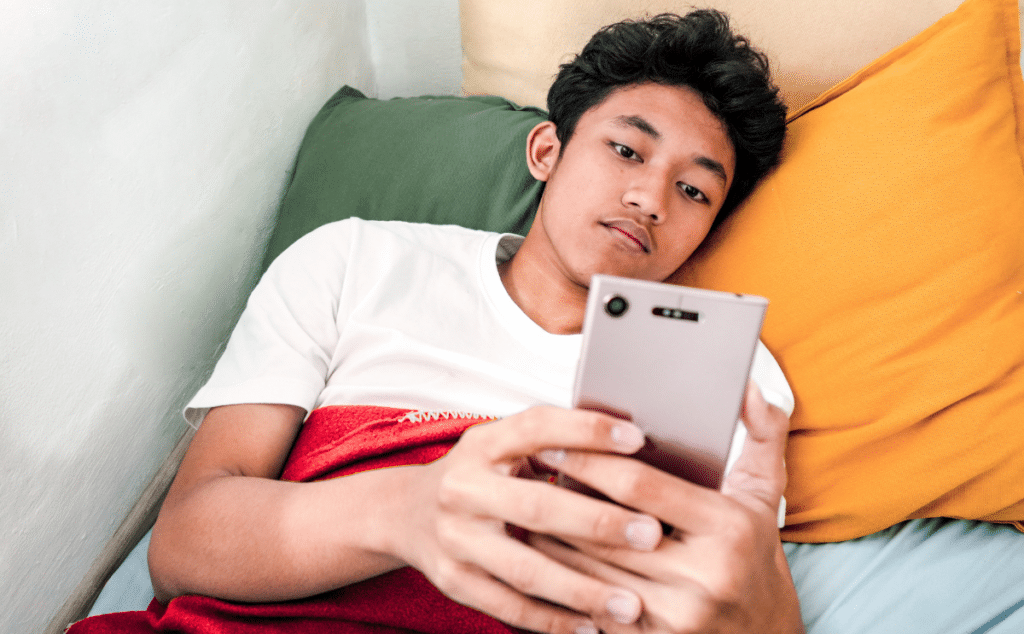
Is this you (or has this been you)? You’re lounging in bed, phone glued to your hand, scrolling through an endless feed.
If you said yes, you know all too well just how quickly the minutes or hours can fly by. Not only can you lose part of your day, but there’s a good chance your emotions also went on a rollercoaster ride.
In The News
In March 2026, a jury in California found both Meta and YouTube liable for negligence in a trial that many experts are calling social media’s “Big Tobacco” moment – referencing the legal cases against tobacco companies in the 1990s that forced the industry to stop targeting minors with advertisements. The plaintiff in the social media case claimed – and the jury agreed – that her compulsive social media use as a child was to blame for her depression and anxiety, awarding her $6 million.
The verdict suggests platforms can be held liable for creating addictive features that harm minors by keeping them engaged with their platforms. It is a bit of vindication for the parents, advocates and lawmakers who have spent years voicing concerns about how online platforms could impact children.
How Does Social Media Use Impact Adolescent Mental Health?
What do we know about the impact social media usage has on mental health for tweens and teens? The U.S. Surgeon General’s issued an advisory on the topic. These are just a few of the takeaways:
- A child or teen makes a post. The number of “likes” it does (or does not get) has the potential to trigger anxiety and depression. It also creates a distraction as they frequently check for updates.
- Late night scrolling disrupts much needed sleep.
- Seeing pictures or videos of people they admire has the potential to cause body image issues or suggest the taking of supplements that are not meant for kids.
- Frequent scrolling can also affect the brain’s reward centers, especially in teens. This could result in a lack of impulse control or higher sensitivity to feedback.
- Social isolation can also be a big problem. While some platforms may offer kids a place to feel connected/fit in, they’re also at risk of feeling more isolated.
What Can Parents Do To Help?
A report from the Mayo Clinic suggests,
- Limit the use of social media: Enact (and enforce!) a No Phones in the Bedroom at Night policy. You can also set up parental controls on their phones that limit online use during certain times of the day.
- Support offline activities: Encourage in person social interaction. Start out small like a family meal together without phones. This will make kids and parents put their phones down. Maybe take a walk together too.
- Educate: Talk with your kids about what they’re seeing online. Remind them of the dangers of online challenges. Encourage them to talk to you if they have questions/concerns about what they’re seeing.
How Can Our Team Help?
It’s okay to ask for help if your tweens and teens are experiencing mental health concerns. Mental health professionals, like the members of our team, are trained for this.
Sometimes kids are more willing to open up to someone who isn’t mom or dad. Professionals can also offer different treatment plans if a child or family seems to have a social media addiction.
If you’re ready to schedule an appointment, start by submitting this form or give us a call at 701-205-3000.